
Mental Health for Developers 2026

Beyond the Display: A Guide of Mental Health for Developers Mental Health for Developers are you experiencing your enthusiasm for coding gradually giving way to a constant feeling of fatigue and disengagement? Does the idea of confronting your IDE, Slack alerts, or another looming deadline evoke fear instead of enthusiasm? You’re not by yourself, and this isn’t an individual shortcoming—it’s a common work situation. The intricate mental demands of software development, along with industry stresses, pose a distinct and significant challenge to mental well-being for developers. However, here’s the assurance: burnout isn’t unavoidable, and enthusiasm can be revived. This article offers a research-based, actionable framework for developers to establish lasting careers by tackling the fundamental challenges affecting developers’ mental health. Max’s Journey: From Enthusiasm to Exhaustion and Return Max secured their ideal position at a dynamic startup, excited to deliver features that influenced millions. During the initial year, programming late into the night seemed like a true passion. They were a 10x engineer, renowned for consistently being on. Yet the excitement dwindled. Frequent context-switching, vague requirements, and the demand to stay updated with all the latest frameworks turned into a significant burden. Max began rising each day feeling drained, feeling jaded during stand-ups, and their previously tidy code became cluttered with hacks. A profound feeling of inadequacy emerged: Perhaps I’m simply not enough. The pivotal moment was bodily: persistent migraines and a declining immune system. Acknowledging that this was untenable, Max implemented drastic measures. They established firm work-life limits, revisited a non-digital hobby (woodworking), and engaged in an honest discussion with their supervisor regarding feasible deadlines. It wasn’t a quick solution, but by methodically tackling the underlying issues, Max restored their vitality and discovered a healthier, more sustainable approach to coding. Their experience highlights an essential reality: safeguarding mental health for developers is not an indulgence; it’s a necessity for a lengthy and satisfying career. The Science of Developer Fatigue: Understanding Why This Job Is So Demanding Grasping the issue is the initial step towards resolving it. Developer burnout is acknowledged by the World Health Organization as an occupational issue defined by fatigue, cynicism, and diminished work effectiveness. The statistics are concerning: recent surveys show that more than 80% of developers have encountered burnout, with almost three-quarters feeling it at work. This situation directly affects productivity, code quality, and employee retention. The task is neurologically challenging. Intensive coding tasks exhaust the prefrontal cortex, which is the brain’s hub for intricate reasoning and concentration. In contrast to physical fatigue, mental fatigue is deceptive. Additionally, developers experience interruptions roughly every 11 minutes, and it may take more than 20 minutes to reestablish deep concentration. This ongoing context-switching significantly contributes to cognitive overload and stress, undermining the mental health of developers. The sector’s constant engagement and rapid pace ethos, along with the unseen effort of troubleshooting and coordination tasks, fosters a challenging environment. The Sustainability Framework for Developers: A 5-Point Strategy Genuine sustainability demands a methodical strategy. This is a five-point framework created to tackle mental health for developers from various perspectives. 1-Control Your Limits (The Closure Routine) For developers working remotely or in the office, the divide between professional and personal life is dangerously slight. The essential aspect is to establish intentional, firm limits. 2-Strategically Tackle Screen Fatigue (The 20-20-20 Rule Enhanced) Why It’s Effective: This corresponds with the brain’s ultradian cycles, enabling organic cognitive restoration. Movement boosts circulation, countering the job’s sedentary characteristics and directly aiding developers’ mental well-being. 3. Regain Concentration & Control (The Intensive Work Session) Your most important tasks demand a continuous flow. Take initiative to protect the time and mental capacity needed to accomplish it. 4. Nurture Your Entire Being (The Identity Foundation) When your whole sense of self is linked to your code, a build failure feels like a personal defeat. It’s important to develop other aspects of yourself. Establish Your Support Network (The Peer Lifeline) Burnout flourishes in solitude. Connection serves as your most effective shield against stress. 7 Ways for Maintaining Good Mental Health as a Mental Health for Developers It’s essential to discover methods for preserving strong mental health as a Mental Health for Developers. Here’s the reason.Coding can negatively impact a software developer’s mental well-being due to the high levels of thought and focus required. Regrettably, numerous software developers do not recognize the effect this demanding mental work has on their well-being since they are deeply engaged in their tasks. Stack Overflow’s Developer survey revealed that 15 percent of 65,000 surveyed developers experience a mental illness. Unfortunately, many of these developers are unaware of their mental health status as they prioritize their work over everything else. Regardless, possessing a healthy mindset is essential for optimal performance as a Mental Health for Developers. This article will explore seven strategies for sustaining healthy mental well-being as a Mental Health for Developers When to Request Expert Assistance The aforementioned strategies are effective for preventing and managing everyday stress. Nonetheless, developers’ mental health occasionally necessitates professional assistance. If you endure ongoing signs of burnout—like long-lasting fatigue not alleviated by rest, deep cynicism, or sensations of despair—for multiple weeks, think about reaching out to a therapist or counselor for assistance. This demonstrates strength and active career management. Numerous organizations provide Employee Assistance Programs (EAPs); utilizing these services is a wise move for your long-term health. Your eco-friendly career begins with a purposeful, intentional step. Save this framework as a bookmark. Tomorrow, pick only one strategy to apply—either the 20-20-20 rule to combat screen fatigue or a 15-minute shutdown routine. Minor, steady actions lead to significant transformation. Send this article to a colleague and encourage each other’s progress. Keep in mind that the most refined, sustainable system you can create is the one that fosters your own developer mental health. Are you prepared to troubleshoot your habits and launch a more robust career? Begin your initial step towards well-being today. Commonly Asked Questions (FAQs)
Mental Health Boost
Mental Health Boost: Your Action Plan for Energy, Focus, and Joy Mental Health Boost Do you sense that you’re running low on energy, having difficulty finding pleasure in activities you once enjoyed, or just feeling mentally stuck? You’re not by yourself. The everyday routine can gradually deplete our emotional energy, making us feel hazy, tired, and uninspired. What if you could rejuvenate your spirit actively, not merely through conventional self-care, but by using specific, research-based techniques that provide a genuine, lasting boost? This serves as your manual for attaining a significant Mental Health Boost. We will progress from merely surviving to truly thriving, offering you a solid strategy to boost your mood, enhance your concentration, and restore your energy. Think of this as your guide for a comprehensive Mental Health Enhancement. The Tale of Alex: Adrift in the Mist Alex was an imaginative graphic designer who previously delighted in bright colors and adventurous concepts. Recently, however, the display simply seemed dull. Deadlines hung overhead like dark clouds, and even a restful night’s sleep couldn’t wash away the persistent weariness. Coffee served as a support, not a solution. The flame had vanished. One night, gazing aimlessly at a project, Alex understood this wasn’t a creative blockage; it was a complete system failure. Rather than exerting more effort, Alex opted for an alternative method: a tactical Mental Health Boost. This was not concerning a month-long getaway, but about incorporating small, impactful boosters into everyday life. In a matter of weeks, the mist started to clear. Energy returned, not in an anxious caffeine spike, but as a constant, dependable flow. Alex’s experience demonstrates that a focused Mental Health Boost isn’t an indulgence—it’s crucial upkeep for achieving a high-performing life. The Science Behind the Mental Health Boost: The Neurochemistry of Happiness This method is based on robust scientific principles. Our energy and mood are regulated by important neurotransmitters: dopamine (motivation and reward), serotonin (calm and mood), and endorphins (pain relief and euphoria). A continuous low state frequently indicates a disruption in these systems. The positive news? We possess more control than we realize. Certain foods, activities, and mental habits can directly affect their creation. A study published in the American Journal of Psychiatry in 2022 highlighted that lifestyle changes, such as diet and physical activity, significantly affect depressive symptoms, serving as essential measures for a Mental Health Reboot. By grasping this, we can shift from being passive observers to proactive navigators of our mental condition. Your 5-Component Structure for a Mental Health Boost Consider this as your enhancement procedure. An authentic Mental Health Boost arises from focusing on various aspects of your life. This 5-pillar structure guarantees that your restart is thorough. Pillar 1: Energize Your Engine (Mood-Enhancing Foods) Pillar 2: Elevate Your Mood (Activities that Energize) Exercise is one of the most powerful, yet underused, antidepressants accessible. Pillar 3: Reshape Your Thinking (Mental Enhancements) Your inner dialogue requires improvement. Confront automatic negative thoughts that sap your energy. Pillar 4: Foster Bonds (Social Enhancements) Solitude is a significant burden; relationships are a strong source of energy. An effective Mental Health Boost necessitates social support. Pillar 5: Master Recovery (Restoration Enhancements) Genuine energy demands profound relaxation. This is the point where the Mental Health Boost is completed and confirmed. Your Daily Checklist for Mental Health Boost Print this and place it where you can easily view it. Target 3-4 evaluations each day. When Boosting Falls Short: Pursuing Professional Assistance If you regularly engage with these principles and still experience feelings of being overwhelmed, trapped, or profoundly sad, it shows strength to reach out for assistance. A therapist serves as an adept navigator for a more intricate Mental Health boost, assisting you in addressing ingrained patterns, trauma, or psychological issues such as anxiety or depression. Consider it as enlisting a master technician when your troubleshooting requires specialized assistance. This stage can be the most effective catalyst for enduring transformation. Your path to a more vibrant, energized mindset begins with just one action. Avoid attempting to completely change everything simultaneously. Save this page as a bookmark. Tomorrow morning, choose one item from the Boost Checklist—perhaps drink a large glass of water or take a 5-minute stroll. Carry it out. That one deliberate action serves as the catalyst for your Mental Health Boost. Distribute this plan to someone who may benefit from it, and enhance your motivation collectively. What can enhance Mental Health Boost? A token of Gratitude Showing appreciation can enhance your mood and uplift the individual you’re acknowledging. Research indicates that showing appreciation for someone or a circumstance offers mental and physical health advantages for you and can enhance social connections. Yet beginning may seem intimidating. Reflect carefully on what has resonated with you in the past week, month, or year. Consider completing this note to express gratitude to yourself for tackling the dishes that accumulated, to your friend for hearing you out about a recent issue, to the universe for presenting you with an opportunity, or to a family member for contributing to your development. Both significant and minor actions can be highly influential and deserving of gratitude. Conclusion Attaining a continual Mental Health Boost and implementing a complete Mental Health Reboot is a proactive, everyday commitment to self-esteem. It’s the recognition that your mental energy is your most valuable asset, needing deliberate nourishment, activity, and attention. By utilizing neurochemical principles and dedicating yourself to small, regular actions across the five areas of nutrition, exercise, mindset, relationships, and sleep, you shift from mere endurance to proactive empowerment. This is not merely about a temporary rush, but about developing a strong, happy, and attentive mindset that can manage life’s difficulties. Begin with small steps, maintain consistency, and keep in mind that each positive decision brings you closer to a better version of yourself. Frequently Asked Questions
Mental Health Recharge
Title: Mental Health Recharge: Your 5-Step Weekend Routine for Rejuvenation Before the Upcoming Week The Hook: Are You Operating on Vapor? Mental Health Recharge – Do you find yourself on Friday feeling completely exhausted, but by Sunday night, a subtle sense of anxiety about Monday has begun? You’re not merely fatigued; you’re psychologically and emotionally drained. You attempted to “relax” during the weekend, but browsing, tasks, and general anxiety left you feeling just as drained as before. The current issue is that we often mistake idleness for true rejuvenation. But what if you could change 48 hours into a genuine refresh? This piece offers you an effective, research-supported set of resources for a deep “Mental Health Recharge.” We’re progressing past basic self-care to a purposeful “Mental Health Focus” that will leave you feeling truly refreshed. An Brief Narrative: Sarah’s Never-Ending Exhaustion Loop Sarah, a skilled project manager, found herself in an endless cycle. Each workweek felt like a frantic race filled with stress, while weekends turned into a breakdown—aimless television, anxiety over incomplete tasks, and the looming fear of Sunday night. She was sharp with her family and felt uninspired at her job. One Sunday, following yet another squandered weekend, she understood this wasn’t living; it was merely surviving. She chose to deliberately try a new method, transitioning her “Mental Health Focus” from handling crises to proactive rejuvenation. The transformations didn’t happen suddenly, but by dedicating herself to several essential routines, she discovered that by Monday, she not only felt energized—she also experienced clarity and a feeling of composed control. Her narrative is not uncommon; it reflects the strength of purposeful rejuvenation. The Science Behind the Mental Health Recharge: The Importance of This for Your Brain” This is not merely uplifting guidance; it’s based on neurobiology. Our brains function in cycles and need specific conditions to flourish. Continuous “doing” (task-positive network) without intervals of restorative “being” (default mode network) results in burnout, anxiety, and diminished cognitive abilities. Research published in the ‘Journal of Occupational Health Psychology’ revealed that psychological detachment from work during non-working hours is essential for both well-being and performance. 5 Rituals for a Genuine Mental Health Recharge Disregard ambiguous concepts of “self-care.” Here are five practical, rejuvenating practices created with a strong focus on Mental Health to assist you in disconnecting and revitalizing. 1-The Digital Dusk (Friday Night) The Ritual: Deliberately and formally disconnect from work emails, Slack, and project management platforms by a designated time Friday evening. Next, engage in a 1-hour phone detox by placing it in a different room. The Focus on Mental Health: This establishes a mental barrier, compelling work-induced stress cycles to cease. It’s the essential step of your Mental Health Recharge, signaling to your brain, “The workday is over.” 2- The Sensory Change (Saturday Morning) The Ritual: Participate in a task that engages your body and senses in a manner contrary to your job. If you spend the entire week at a desk, opt for gardening, a nature stroll, baking, or ceramics. Concentrate on the sensory experiences—aroma, texture, noise. The Emphasis on Mental Health: This shifts your awareness from your mind to your body, anchoring you in the current moment. It serves as a direct response to the abstract, intellectual pressures of knowledge work and is essential for a comprehensive “Mental Health Recharge.” 3. The Cheerful Assessment (Saturday Afternoon) “The Ritual:” Consider: “What activities brought me joy as a child that were purely for enjoyment?” Allocate 60-90 minutes for that task. Creating a model, sketching, grooving in your lounge, enjoying novels. “The ‘Mental Health Focus’:” This reestablishes your connection with intrinsic motivation and play, countering the transactional aspects of adult existence. Joy is a powerful, frequently overlooked resource in any effective “Mental Health Focus” strategy. 4. The Kindhearted Assessment (Sunday Morning) “The Ritual:” Using a notebook, dedicate 20 minutes to a non-critical weekly assessment. Note: a) 3 achievements you reached, b) 1 obstacle you overcame, and c) 1 goal for the upcoming week (not a task list, but a quality such as “patience” or “focus”). “The ‘Mental Health Focus’:” This practice counters the brain’s tendency to dwell on the incomplete. It promotes self-compassion and offers closure, an essential element of a successful “Mental Health Recharge” that helps avoid Sunday anxieties. 5. The Nourishing Preparation (Sunday Night) “The Ritual:” Choose one easy item to support your future self. This might involve making a nutritious lunch, organizing your outfit, or dedicating 10 minutes to decluttering your workspace. “The ‘Mental Health Focus’: This alleviates ‘decision fatigue’ and morning anxiety for your Monday self.” It’s a gesture of compassion for your future self, integrating self-care into your daily habits and prolonging the advantages of your weekend’s “Mental Health Recharge.” Your Impactful Call to Action Your upcoming weekend is an empty slate. Don’t allow it to fade into the same exhausting routines. “Save this article as a bookmark now.” Select a single ritual—maybe the “Digital Sunset”—and dedicate yourself to it this Friday. Discover the impact that a genuine, purposeful “Mental Health Focus” can bring. Disclose this strategy to a friend who is similarly feeling drained and support one another. Your “Mental Health Recharge” begins with one intentional decision. Decide on that today Enhancing your mental health requires active self-care practices such as achieving quality rest, maintaining a nutritious diet, exercising regularly, and ensuring proper hydration, along with stress-relieving activities like mindfulness, engaging in hobbies, reaching out to loved ones, enjoying nature, and establishing boundaries (including learning to say “no”) to avoid burnout and improve overall wellness. It’s about finding harmony between relaxation and enjoyable, fulfilling activities that energize your mind and body. Essential Recharge Approaches Bodily Health: Conscious Relaxation: Links & Limitations: Digital Unplugging: Thankfulness & Optimism: When to Request Additional Assistance If mental fatigue continues or greatly affects daily living, think about consulting a healthcare provider, as therapy can offer effective strategies for restoring equilibrium. What signals are you overlooking that indicate your spirit requires rejuvenation? Allowing yourself the freedom to take this time – even for a few minutes daily – can significantly enhance your productivity – much more than selecting the ideal day planner or refining your to-do list. Here are 6 more methods to swiftly rejuvenate your spirit, but I urge you to listen to your body and inquire what your spirit requires—you may find the response unexpected! Ways to Rapidly Revitalize Your Spirit What does it mean to emotionally recharge? Recovering from emotional fatigue involves taking time to pause and engage with yourself and those around you. Spending time on self-care, practicing effective stress management, and connecting with loved ones can help reduce troubling symptoms and ease tiredness. Refrain from juggling multiple tasks. Juggling multiple tasks is a fast route to feeling stressed. Rather than multitasking, which increases the likelihood of errors, concentrate on completing one task at a time. Creating a checklist can assist you in maintaining focus and monitoring your achievements. Reasons why individuals sometimes feel exhausted. In many instances, fatigue results from a hectic or challenging way of living. Occasionally, fatigue is due to underlying medical issues that need addressing. Your fatigue is likely connected to: If you’ve attempted the methods mentioned earlier but continue to feel tired consistently, you might think about consulting a doctor. They can look for any hidden medical issues that might be causing your fatigue. Conclusion: Your Path to Ongoing Renewal Starts Today The path through this guide on Mental Health Recharge reveals an essential reality: well-being is not a stagnant state of relaxation, but an engaged activity of renewal. We’ve gone past the misconception that idleness equals refreshment and have provided you with a strong, research-supported option—a deliberate Mental Health Focus aimed at transforming your weekends from times of anxiety into sources of revitalization. By grasping the neurological need to disengage your “task-positive” brain and applying the effective 5-step rituals—the Digital Sunset, Sensory Shift, Joyful Audit, Compassionate Review, and Nourishing Prep—you have a well-defined structure. This is not a strict timetable but a adaptable, caring framework for Mental Health Recharge. The provided strategies, ranging from basic physical care and conscious relaxation to disconnecting
Mental Health Reboot

The 5-Step Process to Refresh Your Mind in 2026 Overburdened, emotionally spent, and trapped in thought patterns that repeat themselves?” Mental Health Reboot – Does the pressure to start the new year as a “new you” leave you feeling more fatigued than inspired? If that’s true, you’re not faulty—you’re just overwhelmed. Like a complex device that operates poorly under excessive strain, your mind can become slow because of unmanaged stress, persistent digital interruptions, and emotional fatigue. Nonetheless, here’s the guarantee: a complete reset of your life is not needed. This article presents an effective five-step approach for a thorough “Mental Health Reboot,” designed to revitalize your mind, structure your thoughts, and empower you to start 2026 with genuine clarity and energy. The Story of the Frozen Computer: A Modern Fable Imagine a potent computer, crucial for carrying out a significant project. The user maintains multiple tabs open, runs various resource-heavy applications simultaneously, and rarely shuts it down. Pop-up notifications often interrupt, and temporary files clutter the hard drive. At first, it operates slowly—a delayed click now and then, a rotating wheel at intervals. The user ignores the warnings, putting in extra effort to meet deadlines. Eventually, one day, it assumes complete control. The screen does not respond. Each progress is limited by a wall of total inactivity. This is not just a technical problem; it acts as a perfect representation of modern intelligence. We are that user, and our brains are that device. The unending demands of work, the endless scrolling on social media, the persistent worries from yesterday—these are the responsibilities we never overlook. The notifications that grab our focus are the alerts and sounds. The weight of feelings we carry? The stored data is clogging our system. A “Mental Health Reboot” doesn’t imply discarding the computer; it involves shutting it down properly, deleting irrelevant files, and restarting it to operate effectively. The Scientific Basis for the Need to Reboot What leads to this happening? Neuroscience and psychology provide unique answers. Our brains have a “task-positive network” for active pursuits and a “default mode network” for restorative living. Continual overstimulation keeps us always in “doing” mode, leading to fatigue and reduced cognitive effectiveness. Moreover, chaos theory in physics illustrates that complex systems (like our lives) can spiral out of control due to small stressors. An active “Mental Health Reboot” acts as a stabilizing force, helping to readjust our mental and emotional systems before any breakdown occurs. How can one achieve a mental reset? Stretch, wander, or just relax. Extended Breaks: Consider taking a day off or a weekend getaway to rejuvenate your mind. Meditation: Spend 5-10 minutes meditating to reduce your stress and quiet your mind. Deep Breathing: Focus on your breath to center your thoughts and improve focus. The goal isn’t to eradicate stress but to foster resilience—the ability to “bend without breaking” and recover more effectively. This proactive approach is considerably more effective than waiting for a total system failure. Your 5-Phase Mental Health Refresh Model Employ this systematic method to carefully deactivate, eliminate, and restart your mental system. Step 1: Start Safe Mode (The Gentle Overview) You must correctly exit all running applications before you can restart. This requires a moment to assess the thoughts in your mind without judgment or self-reproach. “The Reboot Logic:” This technique, akin to a “brain dump,” shifts chaotic ideas from your mental RAM onto paper, freeing up cognitive resources. It shifts you from self-criticism (“I’m inadequate”) to self-awareness (“It’s no surprise I’m tired”), which is crucial for any successful “Mental Health Reboot”. Step 2: Empty the Cache (The Digital and Mental Purge) Temporary files and cached data impede overall performance. This symbolizes the digital disorder and unresolved thoughts in your mind. “Action:” Carry out a “Digital Sunset.” Intentionally detach from work emails and social media at a specified time. Then, participate in a quick “clean-up sprint”—devote 10 minutes to tidying your physical desk or a part of your living area. External entities promote internal transparency. “The Reboot Logic”: Overexposure to digital media significantly leads to mental fog and stress. This phase sets a solid boundary, allowing your nervous system to break free from the fight-or-flight reaction caused by incessant connectivity, a crucial element of your “Mental Health Reboot.” Step 3: Defragment the Hard Drive (Reestablish Core Patterns) A fragmented hard drive is inefficient. Similarly, disrupted sleep, poor nutrition, and insufficient exercise deplete your mental energy. “Action:” Protect your biological system. Concentrate on three critical routines that must not be altered: The Reboot Logic:” Attaining stability isn’t possible through simple thinking if your essential physical systems are misaligned. This stage installs the essential drivers for mental clarity and emotional stability, energizing the rest of your “Mental Health Reboot.” Step 4: Run a Diagnostic Scan (Check for Malware) Sometimes, slowdowns are caused by deeper issues like persistent negative thought patterns, unresolved grief, or chronic anxiety that act like mental malware “Action:” Engage in mindful scanning. Utilize the 5-4-3-2-1 grounding method (identify 5 things in sight, 4 you can feel, etc.) to anchor yourself in the current moment. “Have there been recurring thoughts or emotions I have been neglecting?” is a sincere question. “The Reboot Logic:” This phase creates internal awareness, assisting you in recognizing damaged “files” (thought patterns) that require focus. It emphasizes that a genuine “Mental Health Reboot” often necessitates professional assistance to address ingrained problems, similar to how you’d utilize antivirus software for persistent malware. Step 5: Carry out the Restart & Install Updates The last step is to deliberately power off and reboot with a new, uplifting focus, implementing “software upgrades” for development. “Action:” “Begin anew with purpose.” Start your day by proclaiming, “Today will be a wonderful day,” conditioning your mind to seek proof of this. “Set up a link upgrade.” Engage in a genuine, face-to-face conversation with a friend or family member—social connections are fundamental to mental well-being. “Add a happiness update.” Engage in an activity solely for enjoyment, triggering your brain’s pleasure-related chemicals. “The Reboot Logic:” This preventative measure completes the reboot cycle. It transitions you from simple recovery to enhanced performance, guaranteeing that your “Mental Health Reboot” results in a stronger, more connected, and uplifting state of existence. When to Contact Tech Support: The Importance of Expert Assistance A proficient person can execute numerous reboots, yet certain problems necessitate an expert. If you have followed these steps and continue to feel consistently overwhelmed, trapped, or anxious, it might indicate a need for professional assistance. Therapy isn’t a failure; it’s akin to enlisting a skilled IT team. It offers an organized environment to
Mental Health Breaks

The Impact of Taking Breaks: How Deliberate Mental Health Respite Can Transform Your Efficiency and Wellness Mental Health Breaks – Have you ever concluded a lengthy workday feeling completely exhausted, but when reflecting, you struggle to identify anything you achieved with clarity or fulfillment?” You’re not lazy or uninspired. The current issue is the “always-active” hustle—the notion that constant concentration is the sole route to achievement, which ironically results in exhaustion, unclear thinking, and declining efficiency. However, the assurance is this: you can operate ‘more efficiently’ and experience ‘greater well-being’ by reducing your tasks. By thoughtfully incorporating purposeful “Mental Health Breaks” into your daily routine, you can rejuvenate your mind, boost your creativity, and safeguard your long-term wellness. This isn’t about being lazy; it’s about improving your mental software. The Journey of Maya: From Exhaustion to Success Maya, a gifted content creator, took pride in her knack for persevering. Her workdays were long stretches of relentless typing, powered by coffee and the pressure of approaching deadlines. She thought breaks were a sign of weakness—until her performance revealed otherwise. Her writing turned lethargic, her thoughts monotonous, and a persistent feeling of exhaustion was her routine. One afternoon, feeling stifled by an empty page, she spontaneously went outside for five minutes. She neglected to look at her phone; she merely enjoyed the sun and observed a bird. That small, deliberate pause marked her initial true “Mental Health Break”. As she returned to her desk, a new perspective for her article came to her mind nearly effortlessly. Intrigued, she started trying out brief, timed intervals. In a matter of weeks, her afternoon fatigue reduced, her job performance enhanced, and she regained a feeling of control. Maya’s narrative exemplifies a universal fact: Our minds are not meant for continuous performance. They are created for rhythm. The Science Behind Micro-Breaks: How Small Breaks Lead to Significant Changes The effectiveness of “Mental Health Breaks” is not merely anecdotal; it’s based on strong neuroscience and psychology. A study from the University of Illinois on “vigilance decrement” indicates that our attention tends to decline after prolonged engagement in one task. Short breaks enable the brain’s focus resources to recharge, bringing performance back to optimal levels. Consider your brain’s prefrontal cortex, the executive of concentration and choices, as if it were a muscle. Its stamina is limited and it encounters “cognitive exhaustion.” Research released in the journal’ Cognition’ revealed that short pauses during a challenging task can significantly enhance an individual’s capacity to sustain attention on that task for extended durations. These deliberate” Mental Health Breaks” serve as a system refresh, removing metabolic waste products that accumulate during heavy neural processing and avoiding the mental exhaustion that arises from cognitive overload. Essentially, you are not wasting time; you are investing in ongoing mental clarity. It may be easy to dismiss the indications that your mental health is deteriorating and keep going, particularly if you have numerous responsibilities. However, acknowledging that you require a mental health break is nothing to feel ashamed of. It might benefit you greatly. 6 indicators that you require a mental health pause Below are several particular indicators to look out for. 1.Experiencing fatigue Feeling tired from time to time is completely natural, but ongoing fatigue can be overwhelming. It can turn every task into a struggle, whether it’s meeting your job duties or just taking care of yourself. Fatigue is a key indicator of burnout, and experiencing constant tiredness may indicate you are on that path. A mental health break can assist in fighting fatigue, as it provides an opportunity to relax and rejuvenate. 2.Experiencing a sense of overload Feeling overwhelmed at times is normal, particularly when you are dealing with a difficult work assignment or navigating a complex issue in your personal life. However, frequently feeling overwhelmed by your responsibilities indicates that it’s time to pause, take a moment for yourself, and reevaluate your circumstances. This can offer mental clarity and assist in organizing your hectic thoughts. 3. Absence of drive Experiencing indifference towards things that typically inspire and bring you joy, such as your hobbies or work tasks, indicates it’s time for a mental health break. In the same way, if contemplating your daily duties and obligations gives you the urge to retreat to bed, this might indicate that burnout is approaching. In such situations, you cannot simply continue and overlook the problem. You may likely begin to feel tired and annoyed if you proceed. Instead, release and revitalize your perspective. A day dedicated to self-care will make you feel rejuvenated and restore your drive. 4. Unwholesome practices Unhealthy behaviors––like consuming many processed foods, neglecting to exercise, or having late nights––show that your life is not in harmony. Taking a mental health break provides you with the opportunity to regain healthy habits or explore new ones. These may involve preparing nutritious meals, practicing yoga, or retiring to bed early. You might feel motivated to maintain these healthy habits when you resume your regular daily activities, potentially putting you in a stronger position to handle the obstacles you encounter. 5. Irritability When the persistent pressures in your life exceed your ability to cope, you may feel annoyed, exasperated, and tense. Being easily angered with friends, family, or coworkers might indicate that it’s time to pause and recharge. 6.Elevated stress levels Undergoing significant chronic stress—meaning stress that persists instead of being temporary—suggests it’s time to pause and recalibrate. Over time, stress can affect both your physical and mental well-being, and if left unmanaged, it might lead to burnout. Taking a mental health break provides an opportunity for relaxation, breaking the pattern of ongoing stress. It might allow you to rejuvenate both mentally and emotionally. Your Practical Structure: The Pomodoro Plus Technique Understanding’ why’ it’s important to take breaks is just part of the struggle. Here’s a straightforward and efficient framework to apply them: ”The Pomodoro Plus Method”. It enhances the traditional Pomodoro Technique by incorporating intentional movement, transforming a productivity method into a comprehensive wellness practice. “The Central Framework:” 1. ”Work Sprint (25 minutes):” Activate a
Mental Wellness Hacks: 20 Small Habits to Refresh Your Mind

Enhance Concentration & Reignite Your Energy Mental Wellness Hacks, have you ever wondered, “Why do I feel mentally exhausted even on days when I hardly do anything?” Ever questioned why your mind feels cloudy, scattered, or inundated regardless of how much rest you obtain? You’re not Isolated. Contemporary existence overwhelms your thoughts with chaos, interruptions, and stress—subtly depleting your mental vitality. Yet, here’s the assurance: using effective Mental Wellness Hacks, you can restore your Mental Wellness Hacks resilience more quickly than you realize. Maintaining a joyful and healthy mind can seem like piecing together a puzzle. We recognize that life events such as retirement, experiencing loss, or facing health challenges can complicate matters. However, the positive aspect is that the elements come together more smoothly than you may expect. This article provides straightforward steps to reduce stress and improve your mood. Gradually, these modest adjustments can assist you in developing a positive outlook and enhancing your Mental Wellness Hacks well-being. This piece presents 20 research-supported micro-habits, expert insights, a simple framework to adopt, and a brief story that you may relate to. Every habit will bring you nearer to clarity, tranquility, and inspiration. The Narrative: A Quick Adjustment That Rescued Maya from Exhaustion Yet gradually, her light dimmed. She was unable to concentrate. Each task felt burdensome. Even enjoyable weekends didn’t make a difference. One morning, her guide said to her: “When your mind is overwhelmed, don’t push further—break the cycle.”He provided her with three small Mental Wellness Hacks Tips, each requiring under five minutes: Small actions. Major changes. That’s the strength of Mental Health Strategies Reasons Mental Health Strategies Are Effective: The Research Your brain reacts to small changes much more quickly than it does to significant lifestyle transformations. Based on behavioral psychology and neuroscience: Minor habits lower Mental Wellness Hacks barriers The less significant the step, the simpler it is for the brain to accept it. Micro-habits circumvent delay. Brief activities help manage the nervous system. Breathing, movement, and sensory resets engage the parasympathetic nervous system—your inherent “relaxation mode.” Consistency reshapes the brain Neuroscientific studies indicate that small, repeated actions create new neural connections. Micro-habits reduce cortisol levels Research indicates that engaging in 5–10 minutes of physical activity or creative expression lowers stress hormone levels This is the reason Mental Wellness Hacks can lead to immediate enhancement and lasting change. Easy Tips for a Relaxed and Joyful Mind: Utilize these simple tips to introduce beneficial changes to your everyday routine. If you’ve been delaying minor tasks because they seem daunting, the “Two-Minute Rule” can assist. If a task requires two minutes or less, such as answering a message or organizing an area, complete it immediately. Completing small tasks swiftly clears your mind and provides a pleasing sense of achievement. It also provides you with control over your everyday life. A coffee date with a friend, a brief stroll in the park, or even enjoying a beloved TV show can brighten your mood when there’s something enjoyable scheduled. Jot it down in a visible place and relish the thrill of counting down towards it. Put joyful or uplifting items in your daily view Negative thoughts can emerge at any stage of life, and they might seem more challenging to control as you age. A method to handle them is by employing Cognitive Restructuring. Begin by recognizing the thought and questioning yourself, “Is this accurate?” or “Is there an alternative perspective on this?” Changing your perspective can enable you to view things with greater clarity. Harvard brain scientist Dr. Jill Bolte Taylor states that strong feelings such as anger or sadness typically diminish after 90 seconds unless we cling to them. When you feel down, pause for a moment, take a breath, and allow the emotion to fade. This straightforward technique can assist in preventing negative thoughts from dominating. Music is an amazing uplifter of spirits! Hearing your beloved songs from earlier times or finding new ones can bring you joy or boost your energy. Create a playlist featuring tracks from your beloved decade or discover calming tunes for unwinding. Daily tasks such as sweeping, gardening, or folding laundry can serve as light exercise. Incorporating some activity into your day benefits both your mental and physical health. Play some lively music while you complete your chores, and view it as a method to keep moving. “Laughter is the greatest remedy,” and studies confirm it! A research paper named “Positive Impact of Laughter Therapy on Physical and Mental Wellness Hacks Function in Seniors” discovered that laughter alleviates stress, anxiety, and depression, while enhancing cardiovascular health and blood flow. Even insincere laughter offers comparable advantages since the body cannot distinguish it from genuine laughter. Plan a weekly “laughter hour” to view comedies, read humorous material, or exchange jokes with friends and family. Mess in your home or unaddressed feelings can burden your thoughts. Organizing a cluttered area or jotting down your worries can make you feel calmer and more in charge. Empty one drawer or jot down a brief list of your thoughts. Small actions lead to significant changes! Origami and dot-to-dot activities are easy but powerful methods to relieve stress and anxiety. The repetitive movements, like folding paper, trigger endorphins that promote feelings of calm and relaxation. They additionally improve hand-eye coordination, attention, focus, and fine motor skills, rendering them an enjoyable and beneficial activity for both the mind and body. Experience Improvement with Considracare Caregivers: Being at your best begins with being active and engaged, and that’s precisely the support our caregivers provide. We emphasize significant experiences and authentic relationships to alleviate feelings of loneliness and anxiety. Our caregivers also promote physical activity and healthier eating habits to enhance your well-being in the long run. We aim to assist you in making minor adjustments that result in a healthier, more fulfilling life. 20 Tiny Habits: The Definitive Mental Wellness Tricks List Here are 20 straightforward, science-supported techniques for improving Mental Wellness Hacks that you can start using today. Each requires 1–10 minutes. Shut your eyes. Inhale for four seconds, then exhale for six. One minute = immediate relaxation of the nervous system. Enhances serotonin, dopamine, emotional state, and sleep quality. Insights from experts:“Exercise is a remedy for the mind.” “Even brief strolls enhance cognitive function.” — Dr. Wendy Suzuki, Neuroscientist Not a diary—simply a SINGLE sentence expressing your emotions. Fosters awareness. Activates the “dive reflex,” swiftly soothing racing thoughts. Restores hydration to the brain and enhances concentration. Safeguard your Mental Wellness Hacks capacity. Not a chapter—just one page Make a small space tidy: your workspace, email, or main screen. Music instantly influences feelings. “What is one aspect I can manage at this moment?” Decreases feelings of being overwhelmed. Breathe in 4 → Hold 4 → Breathe out 4. A timeless method for alleviating anxiety. Exposure to nature reduces stress, even in small amounts. Enhances oxytocin levels and bonding. Grasp a soothing object (rock, band, charm) and inhale deeply. Sensory grounding operates quickly. Digital minimalism equals peace of mind. Fruits, nuts, vegetables—tiny nutritional enhancements enhance cognitive function. A single priority lowers decision fatigue. Dr. Gabor Maté mentions: “Limitations are links to your actual self, not obstacles.” A single victory A single challenge A single purpose for tomorrow This is among the most effective Mental Health Strategies for enhancing mental clarity. The “5-Minute Enhancer” Model Frameworks are loved by people because they are easy to remember, straightforward, and easy to share. Here’s one designed for everyday applications: The Effectiveness of Mental Health Strategies for Busy Individuals Insight from Experts to Keep in Mind Below are several quotes from experts highlighting the significance of micro-habits: “Small modifications lead to significant transformations as they circumvent opposition.” — Dr. BJ Fogg, Behavioral Scientist “Your nervous system doesn’t require hours.” “It requires repetition.” — Dr. Andrew Huberman, Neuroscientist “Mental well-being develops through brief instances, not long stretches.” — Dr. Nicole LePera, Psychologist These observations correspond perfectly with the effectiveness of Mental wellness Hacks. Concluding Remarks: A New Life Isn’t Necessary—Only New Habits Are Required. Mental Wellness Hacks clarity isn’t achieved through transformative experiences. It arises from everyday micro-actions, micro-decisions, and micro-habits that gradually reprogram your mind. This compilation of Mental wellness Hacks serves as your new toolkit—easy strategies for energy, concentration, happiness, resilience, and emotional balance. Experience the 5-Minute Booster Now – Mental Wellness Hacks If you desire this piece transformed into:
Mental Wellness Revitalization

A Week-Long Strategy to Overcome Burnout and Recharge Your Vitality Mental Wellness Revitalization, a mental health refresh consists of pausing to concentrate on your wellness by engaging in small, purposeful activities. Essential practices encompass mindfulness and breathing techniques, a “brain dump” for mental clarity, emphasizing sleep and nutritious food, and participating in fun activities or exploring new hobbies. The aim is to develop enduring habits that alleviate stress and enhance your general mental well-being. Have you ever gotten up feeling exhausted—even after sleeping the entire night?Or caught yourself gazing at your screen as your mind struggles to concentrate? Perhaps you’re irritable with those you love, lacking enthusiasm, or sensing that life is operating on cruise control. If so, you might be dealing with the most prevalent contemporary issue: burnout. And here’s the commitment: by the conclusion of this article, you’ll leave with an actionable, research-supported Mental Health Reset plan you can begin right away—one that truly accommodates a hectic lifestyle. The Concealed Symptoms of Burnout We Frequently Overlook Burnout seldom makes itself known. It slips in silently, masquerading as “simply being weary.” Yet, there are subtle indicators that a lot of individuals overlook: If any of this speaks to you, you’re not failing your mind and body just require a Mental Health Reset. A Brief Tale You Could Relate To A designer called Aisha had always had a passion for her work. However, following months filled with constant deadlines, weekend assignments, and the stress to remain “productive,” she broke down—both mentally and emotionally. On a Monday morning, she positioned herself at her desk, turned on her laptop, and… silence. Thus, she conducted a straightforward 7-day experiment. A week of minor, research-backed activities.In a matter of days, the fog began to clear. By the week’s conclusion, she felt calmer, more focused, and more alive than she had in months. This article provides you with the identical reset. The Science of Rejuvenating Mental Health A Mental Health Reset is effective as it focuses on three key areas that your brain relies on: 1-Neuroscience Burnout reduces dopamine and serotonin: your chemicals for motivation and mood. Brief daily practices such as physical activity, exposure to sunlight, and organized schedules aid in their recovery. 2-Psychological Science: Studies from Stanford, Yale, and the APA indicate that micro habits alleviate anxiety more quickly than relying on “motivation” to come back. A Mental Health Reboot follows this concept. 3- Physiology of Stress: Your nervous system becomes trapped in “fight-or-flight.” Breathing techniques, managing sleep, and purposeful pauses stimulate your parasympathetic system—the recovery state of the body. That is the reason a Mental Health Reset isn’t a luxury. It’s a biological necessity. Your 7-Day Mental Health Reset Action Plan DAY 1: Mental Declutter + One Big Release Emphasis: Lessen cognitive burden. This initiates your Mental Health Reset by providing your mind some room to breathe. DAY 2: Nervous System Reset Concentrate: Relax your body → relax your mind. Complete this 7-minute exercise: Why? Your nervous system governs your thoughts more than your thoughts govern your nervous system. This serves as the base for your Mental Health Reset. DAY 3: Light Digital Detox Aim: Minimize dopamine excess. Attempt: This minor detox significantly enhances the impact of the Mental Health Reset. DAY 4: Restore Concentration Emphasis: Restore concentration ability. Brief intervals with breaks outlast long, tiring hours. Your mind thrives on organization during a Mental Health Reset. DAY 5: Emotional Reboot Concentrate: Let go of what you’re grasping. Try an alternative: Emotional release is central to any Mental Health Reset. DAY 6: Replenish Your Happiness Reservoir Emphasis: Reclaim what burnout has taken away. Select 2: Joy functions as a means of recovery rather than as a form of reward. This day revitalizes your Mental Health Recharge. DAY 7: Life Alignment Check-In Concentrate: Address the underlying issues. Inquiries to make: Your Mental Health Reset concludes with understanding, not uncertainty. Simple Structure: The “3R Mental Well-Being Reset Strategy” To sustain the progress, adhere to this weekly: 1-RELEASE Eliminate stress, thoughts, and digital distractions. 2-CONTROL Reboot sleep, activity, and nervous system. 3-REFUEL Recharge happiness, relaxation, and significant bonds. This straightforward framework ensures that the Mental Health Reset remains viable over the long term. Rapid resets (5-15 minutes) Extended-duration adjustments Crucial changes in perspective Research-Validated Small Practices to Aid Your Mental Health Renewal This is evidenced by neuroscience, psychology, and behavioral studies: These small habits strengthen your Mental Health Reset without adding extra stress. The Effectiveness of a Mental Health Reset (Even When You’re Busy) Because it’s not about being perfect. It concerns disruption. A Mental Health Reset halts: Here are five ways you can reset your wellbeing equilibrium: 1. REALLY take time off work We understand how it happens. You look at your phone, see the email from a client, and now you can’t stop worrying about it until you respond. Before you realize it, you’re swamped with emails. Inform your clients of your time off dates, share them on your social media platforms, and adhere to them. Activate the out-of-office reply, disable notifications, set aside your phone, and refrain from thinking about your work. On iPhone, you can configure a new Focus feature that restricts notifications from certain people or apps. Enable this function if it is beneficial. If you’re finding it difficult, consider the reasons behind it. Do you have urgent items on your list that you must address to organize everything? Is there a need for you to establish additional internal procedures? Maybe assign certain tasks to others? 2. Meditation Recent research has thoroughly documented the advantages of meditation and mindfulness practice. It revolves around embracing the current moment, using your senses, and permitting thoughts to arise and pass without criticism. Lowered stress, enhanced focus, fewer signs of depression and anxiety, and increased mental resilience are just a few motivations to begin practicing for even five minutes daily. If you’re unsure where to begin, applications like Smiling Mind and Headspace help you with anything from a brief morning affirmation meditation to an in-depth half-hour session. Make gradual progress, continue practicing, and you’ll soon start experiencing the advantages. 3. Physical activity Choose your preference. Or several. Your decision. Research indicates that increased physical activity enhances the brain’s performance. Include diminished stress, improved concentration, and numerous health advantages like enhanced cardiovascular health and reduced blood pressure to that… It’s essentially a wonder drug Choose a sport or exercise you genuinely like and stay committed to it! Set aside time and add it to your calendar. Think about involving friends and family to help hold you accountable. If you believe exercise is difficult or lack the time for it, a daily ten-minute walk is an excellent beginning. 4. Ensure you get sufficient rest If we had to speculate, it’s probable that you’re not getting sufficient sleep – a full eight hours of it. Insufficient sleep accumulates, leading to decreased productivity and mood. If you’re feeling exhausted by the week’s end, lack of sleep might be the cause. Prioritize sleep in 2025! Establish a routine and allow your body’s internal clock to handle the rest. Studies indicate that REM sleep aids in emotional memory and information processing, among other benefits. Consequently, it’s not surprising that brain imaging research has shown improved mental and emotional resilience following a restful night’s sleep. Consequently, being consistently sleep deprived is associated with deteriorating physical health and aggravated mental health issues. Permit yourself to enjoy regular, quality sleep and refrain from checking work emails after hours! 5. Consume a *somewhat* healthier diet. There isn’t a universal solution for nutrition. Your food choices directly affect your emotions, making it crucial to select what you consume. Ensure you consume the appropriate quantity of complex carbs, vital fats, amino acids, vitamins, minerals, and stay hydrated with sufficient water. Nourishing the brain with adequate nutrients can shield it from the impact of oxidants, which can adversely influence our mood. A strong connection exists between diet and physical well-being, which in turn influences our mental health. We enjoy a nice brunch outing or a cheese board with an evening. We’re definitely not letting those go. Nonetheless, reducing the frequency of
Career Success – Why Mental Health Is the Key to Career Success?

The Real Basis of Your Career Success: Mental Health Envision this: Ahmed, an exceptional software developer in Lahore, is working late hours for the third consecutive week. He’s missing meals, his sleep is irregular, and a persistent feeling of anxiety lurks in his gut. He thinks this effort is the sole way to achieve “professional success.” However, during his key client meeting, his thoughts freeze. The concepts won’t come together, his concentration is broken, and the presentation fails to impress. Now, think about Ayesha, a marketing manager located in Karachi. She protects her evening stroll at Sea View and her weekly family dinner with the same intensity as any deadline. She engages in mindfulness and isn’t hesitant to disconnect at 6 PM. During the same meeting, she is astute, imaginative, and seamlessly tackles difficult inquiries. Who is genuinely on the journey to lasting “career success”? For many years, the model for “Professional growth” was straightforward: strive more, for extended hours, and with greater speed. However, a fundamental change is in progress. We now realize that the key asset for “advancing in your career” isn’t solely technical ability or working long hours—it’s your mental health. Your mental well-being is not a secondary task; it is the core driving force behind your “career achievements” Or “Workplace achievement.” The Unseen Force: Connecting Mental Well-Being to Efficiency and Success The link between a sound mind and “workplace success” is not merely philosophical; it’s backed by science. Mental health directly drives the cognitive and emotional abilities necessary for “career achievement.” As it may called a “Climbing the career ladder” Achieving Career Success “Career success” is a personal journey of growth and achievement, not just a job title or salary. It’s built on a foundation of continuous learning, a strong work ethic, and the right mindset. To build a successful career, two key areas should be focused on: 1.“Your Skills:” A strong mix of hard skills (like technical expertise) and soft skills (like communication and leadership) should be developed. Commit to “continuous learning” through “professional certifications” and training to stay relevant. You will be made an invaluable asset in any workplace & business environment by strong problem-solving abilities “. 2. “Your Mindset & Strategy:” “Career planning” and clear “goal setting” provide your roadmap. A growth mindset should be cultivated—challenges are seen as opportunities to learn. Career planning and clear goal setting are provided by your roadmap. A growth mindset should be cultivated—challenges are seen as opportunities to learn. Your ambition should be combined with discipline and perseverance to achieve your goals. Remember, a healthy balance between ambition and well-being is required for sustainable career success to avoid burnout. Ultimately, “Career success” it is about creating a fulfilling professional life through deliberate effort, a positive mindset, a commitment to your own professional development. Beyond the Hustle: Reimagining Professional Achievement in a Pakistani Setting In our society, where the grind is frequently seen as a symbol of pride, we need to broaden our “career definition.” Genuine “career satisfaction” goes beyond the position on your business card or the amount of your salary. “Work satisfaction” and “purposeful employment”. Sustainable “career development” without constant pressure. “Work-life balance” that enables you to flourish both at your workplace in Islamabad and your residence in F-7 or DHA. “Personal satisfaction” derived from “harmony between career and life.” This change in perspective is the initial move toward “long-term career goals.” It transitions you from merely getting by in your career to genuinely flourishing within it. Your Psychological Wellness Resource for Career Achievement So, what steps do you take to create this foundation? Here are practical, culturally-appropriate suggestions to enhance your “career advancement”: Conquer Your Stress, Conquer Your Performance “Managingstress” is essential for “professional achievement”. It’s not about getting rid of stress, but controlling how you react to it. One more thing you can add in your practice is brief “breathing techniques” (such as box breathing: breathe in for 4, hold for 4, breathe out for 4, hold for 4) prior to tackling a challenging task. This soothes the amygdala, the fear center of your brain, and boosts “concentration & resolve.” Foster Strength by Establishing Limits for Professional advancement “Resilience” is a strength developed through establishing clear limits, an essential “soft skill” frequently underestimated. Value Recovery as Highly as Performance Your brain requires rest to strengthen learning and rejuvenate. “Preventing burnout” is a tactical career decision. “Practical Advice Safeguard your sleep. The practice of holding late-night meetings and calls harms cognitive performance. Focusing on getting 7-8 hours of sleep is among the best methods to enhance “problem-solving skills” and “emotional intelligence” the following day. Commit to Ongoing Education for the Brain We focus on investing in “upskilling & reskilling” for technical capabilities, but we should also invest in developing mental and “soft skills.” In this context, “career coaching” and counseling can bring about significant change. A coach assists not only with your resume but also in fostering a “growth mindset,” managing workplace dynamics (“conflict resolution”), and enhancing the “self-confidence” essential for “leadership opportunities.” Joy is the secret to achievement. “When you are passionate about your work, success will follow.” – Albert Schweitzer “”Apne aap ko samjho, maharat haasil karo, phir yeh duniya tumhein jaan legi.”” (Understand your own self, acquire skills, and then the world will acknowledge you.) – Rephrasing the ideas of Allama Iqbal, stressing “self-belief” and “ongoing education”. The Necessity of Organization: Fostering a Nurturing Environment Genuine “career success” is mutually beneficial. Organizations aiming to promote innovation and “employee engagement” need to establish a psychologically safe atmosphere. This encompasses: “Leadership” that openly supports mental health. Offering entry to “career mentorship” and “professional networking” initiatives. Providing resources such as counseling services or workshops focused on “stress reduction” and “time organization skills.” Encouraging a culture of “appreciation in the workplace” and prioritizing “harmony between drive and health”. “Career Success in the Modern Workplace” True “career success” is deeply connected to your environment and overall well-being. It’s not just about climbing the ladder, but finding fulfillment where you are. The workplace & business environment plays a huge role. Positive team collaboration and a supportive organizational culture are essential. In such an environment, recognition at work is led to by your contributions and new career opportunities are opened up. A strong professional reputation is built and smart career advancement strategies, like attending networking events, are used as key to growth. However, smart work-life integration is required for sustainable success. Effective stress management is crucial for burnout prevention. Ultimately, career success is achieved when job happiness and personal fulfillment are brought by your work. A powerful career-life alignment is created by seeking meaningful work that aligns with your values, ensuring that your success is both rewarding and lasting. Conclusion: Your Mind is Your Key Career Success. The journey towards genuine, sustainable “career success” is not marked by restless nights and constant anxiety. It is established on a robust
Manage Anxiety Naturally – Powerful
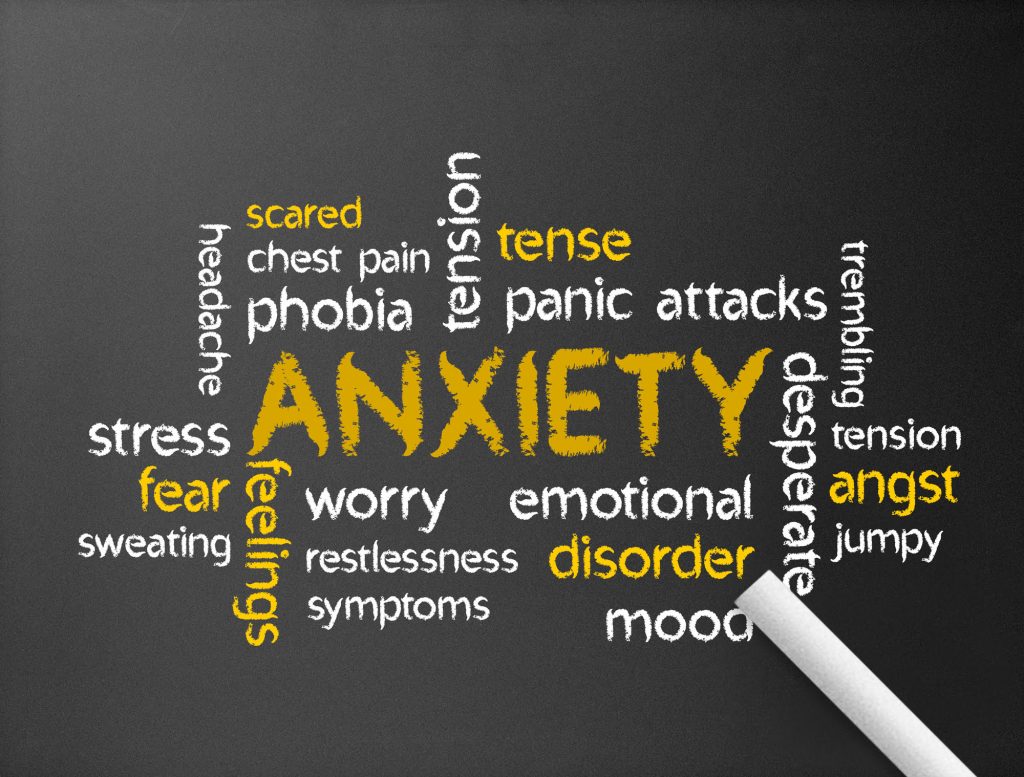
Ways to Manage Anxiety Naturally Without Medication: Your Comprehensive Guide to Serenity Do you sense that same tightness in your stomach prior to an important meeting? Or maybe your heart begins to race for no clear reason while you’re simply attempting to sleep? You are not by yourself. Anxiety is a frequent human feeling, yet when it turns into a persistent, unwanted presence, it can seem overpowering. Though medication is essential for numerous individuals, an increasing number of people are looking for methods to manage anxiety naturally and get Natural anxiety relief. This yearning is often reflected in online forums, as queries such as “Manage Anxiety Naturally reddit” and “how can I manage anxiety naturally” reveal how many individuals seek community-based, comprehensive guidance. The encouraging aspect is that a natural method for reducing anxiety without medication is not just feasible but can be highly effective. This guide offers a thorough strategy for managing anxiety through evidence-based, non-pharmaceutical anxiety solutions. What Does It Mean to manage Anxiety Naturally? What is Nature therapy / ecotherapy. To “manage anxiety naturally” or we can say Calm mind naturally involves implementing various lifestyle changes, mind-body practices, and dietary adjustments to balance your nervous system. It’s a form of thorough anxiety control that addresses the root causes—like chronic stress, inflammation, and thought patterns—rather than merely masking the symptoms. The goal isn’t to eliminate anxiety entirely (as it’s a normal emotion) but to lessen its intensity and regain a sense of control, promoting resilience for what lies ahead. So the important thing is that we have to focus on our Self-care routines and Building resilience. These are the only way to have a good mental peace happy life. Your Base: Habits and Health Strategies Establishing a strong base is the initial step to achieving a serene mind naturally. These Stress reduction techniques involve conditioning your nervous system to naturally return to a state of calm instead of anxiety. These are usually called as “Non-medical anxiety remedies”. It helps to Manage Anxiety Naturally 1. Breathing Techniques: Your Quick Anxiety Reboot When anxiety hits, your breathing turns quick and superficial. By deliberately altering your breathing pattern, you can communicate to your brain to relax. This is among the quickest methods to handle anxiety attacks. Practical Advice: The 4-7-8 Method. Breathe silently in through your nose for 4 seconds. Take a breath and hold it for 7 seconds. Breathe out fully through your mouth, producing a whoosh noise, for 8 seconds. Conduct this sequence 4-5 times. This method functions as a natural calming agent for the nervous system. 2. Mindfulness Practice and Meditation: Reshaping Your Brain “Mindfulness practice” helps you to notice your anxious thoughts and bodily feelings without criticism. This establishes a distance between you and your anxiety, diminishing its influence. Research indicates that consistent meditation can alter brain areas associated with anxiety which plays a strong role to Manage Anxiety Naturally. Practical Advice: Begin with only 5to10 minutes each day. Utilize an application such as Headspace or Calm, or just sit in silence and concentrate on the feeling of your breathing. When your thoughts drift (as they often do!), softly steer them back. This is a fundamental aspect of understanding how to alleviate anxiety naturally. 3.The Strength of Motion: Tai Chi and Yoga Yoga for Manage Anxiety Naturally and Tai chi merge physical activity with breathing exercises and meditation. This strong trio decreases cortisol (the stress hormone), boosts endorphins, and enhances body awareness, assisting you in releasing physical tension linked to anxiety including it boosts the Coping skills towards every day challenges. 4. Writing for Stress Relief: Release It from Your Mind Nervous thoughts frequently cycle through our heads. Writing for stress offers an outlet. Jotting down your concerns can assist you in understanding them, recognizing triggers, and even confronting illogical fears through cognitive reframing. A Tale of Personal Achievement: Sarah, a project manager in Karachi, recounted: “At 3 AM, my thoughts would race with deadlines. I began a ‘brain dump’ journal next to my bed. I’d jot down every last concern. This straightforward action enabled my mind to relax, and I eventually began sleeping all night. It marked my initial genuine success in discovering how to “naturally cope with anxiety”. Lifestyle Habits A highly empowering decision you can take is to Manage Anxiety Naturally by adopting basic lifestyle habits. Minor, steady adjustments lead to significant outcomes. For instance, regular physical activity like daily exercise or walking in nature enhances endorphins while also relieving the mind of stress. A soothing stroll in the outdoors can bring back equilibrium and encourage you to take deep breaths. Maintaining awareness of hydration for mental clarity keeps your brain sharp and strong. Conversely, limiting alcohol and reducing sugar intake can help avoid the fluctuations that frequently intensify anxiety. Establishing regular routines offers a feeling of security, while cultivating work-life balance guarantees time for relaxation, rejuvenation, and enjoyment of life. Collectively, these approaches create a mild, comprehensive route to tranquility—evidence that organic options can genuinely foster a more serene mind and healthier body. Feed Your Tranquility: Balanced nutrition for mental health Your food choices directly affect your brain chemistry and emotional state. Embracing a nutritionally balanced approach for mental well-being is a vital measure to “naturally control anxiety” that’s why the term is known as Natural coping strategies. Foods to Welcome: Foods to Restrict: These modalities can elegantly enhance your daily routines, providing more profound “relaxation methods.” and getting to Manage Anxiety Naturally. Some other methods which are used for have mental peace and Manage Anxiety Naturally without medicine are as : Infographic: 5 Fast Anxiety Tips for Positive affirmations Creating a Sustainable Strategy for Manage Anxiety Naturally or Relaxation techniques. One more practice which must be include in life is Gratitude practice. It helps to build personality development. Commonly Asked Questions (CAQs) Conclusion: Your Path to Natural Serenity Starts Today Understanding how to “Manage Anxiety Naturally” involves a process of self-exploration and empowerment. It involves creating a collection of “Stress management strategies” effective for “you”—be it through “mindfulness
Stay Positive / Emotional Well-Being

Stay Positive is the basis of our thoughts, emotions, and actions in everyday life. It influences how we manage stress, develop connections, and make choices. Similar to physical well-being, your mind requires attention, relaxation, and sustenance. Mental wellbeing does not have a single, fixed definition. It can be used to describe how we feel, how well we are managing everyday life, or what seems achievable at the present time. Having good mental wellbeing does not necessarily mean that you are always happy or that you are not affected by your experiences. It is also important to understand that stay Positive or wellbeing does not always mean that you do not have a mental health issue. You could be living with a mental health problem and still have good wellbeing at the moment. Alternatively, you might not have a mental health problem but be experiencing difficulties with your wellbeing. Optimistic Mindset vs. Pessimistic Mindset Optimistic Attitude A positive attitude doesn’t imply disregarding issues—it involves concentrating on resolutions. Individuals who have an optimistic outlook see obstacles as chances for development. They cultivate thankfulness, maintain optimism, and recover more quickly from challenges. When you face job loss, rather than thinking “I’m worthless”, you might say “This is an opportunity for growth and to discover a better path.” Pessimistic Outlook: A pessimistic attitude amplifies difficulties and restricts optimism. It ensnares you in fear, insecurity, and “what if” scenarios. Negative thoughts such as “Things will never improve” sap your energy and hinder progress. In the same jobloss situation, a pessimist might express, “I won’t be able to succeed anymore.” Strategies for Mental Well-Being to Remain Stay Positive and Succeed in a Challenging Environment Imagine this: you’re trapped ina fierce Lahore traffic jam on Canal Road, the heat is oppressive, and your phone buzzes with a new urgent work email from your boss. Your pulse speeds up. Or maybe you’re in Karachi, attempting to handle household costs while the prices of flour and fuel appear to climb each day, a persistent undercurrent of worry always lingering This represents the contemporary reality in Pakistana realm abundant with distinct stresses thatcan deplete our happiness and obscure our perspective. Yet within this turmoil, your mental health is not a privilege; it is an essential right. Learning to maintain positivity involves not dismissing challenges; it’sabout developing the resilience to face them with strength and poise. This piece serves as your hands-on manual. We will delve into practical, psychology-supported techniques on how to maintain a positive outlook, assisting you in cultivating a positive attitude that can endure life’s unavoidable pressures. What is our main objective? To maintain an optimistic outlook and enjoy a joyful life, regardless of what we encounter. What Makes Stay Positive So Difficult? Prior to exploring the solutions, it’s crucial to grasp the challenge. Our brains possess an inherent “negativity bias,” a survival feature that compels us to focus more on dangers and challenges. That’s why one negative remark can have more impact than multiple praise. In the current 24/7 news environment and social media landscape, this bias is continually activated, requiring a deliberate effort to stay optimistic. Practical Suggestions for Fostering Positivity Here’s how you can train to be stay positive remain optimistic. These are straightforward, affordable strategies designed for our Pakistani environment. 1-Reorganize Your Thinking: The Strength of Cognitive Reframing Your thoughts shape your reality. The initial step to enhance positivity is to recognize your negative internal dialogue. When you catch yourself saying, “I won’t finish this,” or “Nothing is going right,” take a moment Acknowledge the minor achievements by giving yourself credit for every task you finish – it can accumulate rapidly! Engaging in mindfulness can aid in concentrating on and valuing each moment and the ‘minor’ actions you take, like rising from bed or cleaning your teeth in the morning. Every night, consider writing down three minor victories you accomplished during the day, keeping in mind that any achievement, regardless of size, is always worth celebrating and reverse to stay positive Seize every chance to commend yourself and shift your attention from what you haven’t accomplished to what you have – Sharon. Tip to Act On: Question that belief. Consider asking yourself: “Is this entirely accurate?” or “How can I view this from a more balanced perspective?” “This traffic is ruining my day” can be rephrased as “This is an opportunity to enjoy my favorite Naat or podcast.” The habit of creating **constructive thoughts** is a fundamental aspect of Cognitive Behavioral Therapy (CBT) and is highly effective. 2- Embrace Gratitude (Shukar) in the Desi Style Thankfulness is an established method to maintain positivity or stay positivity. It redirects your attention from what you don’t have to what you possess. Actionable Tip to be stay positive : Rather than a journal, weave gratitude into your family mealtime. Move around the table and encourage each person to mention one thing they appreciated from that day, however minor it may be—from a delicious cup of **chai** to assistance from a coworker. This straightforward activity cultivates a strong optimistic attitude. 3-Engage with Individuals, Not Merely Accounts In a society recognized for its friendliness and camaraderie, authentic connection is our strength. Swap browsing Facebook for an actual dialogue. Practical Advice: Reach out to a friend without a specific purpose. See your family members. Relax in the evening with family in the courtyard or on the balcony, free from phones. These connections in the real world trigger the release of oxytocin (the hormone associated with bonding), which greatly lowers stress and aids us in maintaining positivity. 4. Incorporate Micro-Breaks for Self-Care Disregard the notion of a costly spa experience. Selfcare may consist of little, everyday practices that ground you. It’s not always simple to focus on our wellbeing. Sometimes, it can be hard to know where to begin. You might find it helpful to be stay positive: Remember that good days for your wellbeing can vary. We don’t always have the same amount of energy or motivation. Be gentle with yourself and do what feels most appropriate in the moment and stay positive. Practical Advice Spend five minutes outdoors and enjoy the warmth of the sun on your skin* Engage in deep breathing (breathe in for 4 counts, hold for 7, breathe out for 8).
